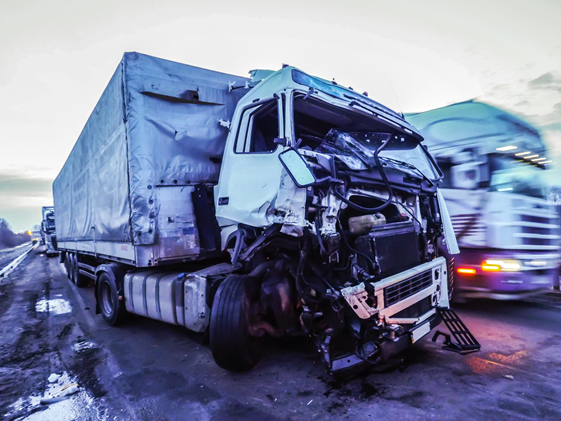
A truck accident may transform a person’s life in seconds. The size, weight and stopping distance of a huge vehicle can cause considerable injury. DC DMV reminds motorists of truck blind spots, wide bends and the space trucks require to stop. But what makes them happen? Sometimes the solution is obvious. Other times, a number of tiny problems are compounded before the impact. Driver weariness, poor truck maintenance, unsafe loads, speed and inattentive driving can all contribute. Federal regulations also set safety criteria for certain commercial trucks and drivers. If you have been injured, a DC Truck Accident Lawyer can tell you the facts and explain your legal options.
Tiredness of drivers may become a serious risk
Truck drivers also work long hours. Safety is therefore a major problem of rest. Many commercial drivers are subject to federal hours of service requirements that limit their driving and on-duty time. These guidelines also need mandatory rest intervals. Fatigue can slow a driver’s reaction time. It can also affect your ability to think clearly or judge traffic well. The FMCSA analysis showed that safety-critical occurrences increased with an increase in driving hours. What happens after the crash? Records might assist answer that question. Electronic logs, dispatch records, delivery schedules and work records could reveal how long the driver had been working for.
Distracted Driving Can Take Eyes Away From Road
Distractions for truck drivers are the same as for other drivers. A phone call can distract you from traffic. A text can take eyes off the road for just seconds. Those seconds can count. A vehicle requires additional space to stop and turn. A small lapse can be a big wreck when a huge car is involved. Other distractions might be food, navigation systems, paperwork or altering controls. The question is whether the driver’s actions were a contributing factor to the collision.
Fast can make bad situation worse
Truck crashes are not usually caused by speed. It can also make an accident worse and more difficult to avoid. A rushing truck has less time to respond to rapid changes in traffic. Stopping distance might sometimes be a big problem. The DC DMV says big trucks require a lot of space to stop. Speed matters too, if a truck takes a turn too fast. That’s especially critical in congested places when trucks are sharing the road with cars, bicycles and pedestrians.
Poor Maintenance Can Be Trouble
A truck must be kept in safe functioning condition. The brake issue might impact stopping . Worn tires can affect traction. Steering difficulties may complicate control. Federal motor carrier regulations require inspection, repair and maintenance of commercial vehicles covered. Maintenance data could assist determine what transpired before a crash. They may provide evidence of past repairs, inspection dates, reported flaws or items needing care. One reason victims shouldn’t assume the driver is the only one who matters. A trucking firm or other party may have responsibilities for truck maintenance.
Hazardous Cargo May Shift In Transit
Truck load must be secure . Loose or poorly secured cargo can move when the truck stops, turns or changes speed. That movement can alter the balance and handling of the truck. Cargo can potentially be dropped from a vehicle and be a hazard to other motorists. The cause may include more than the driver. Some of the loading may have been done by a shipper, loader, carrier or other company. Evidence may include shipping documents, load data, pictures, inspection reports and witness testimony.
Smaller vehicles can be hidden in blind spots
Big trucks have large blind areas. DC DMV warns trucks can have blind spots in front, behind and on the sides. It recommends drivers to be attentive and not to linger in particular places. A truck driver may not spot a car, bike or motorcycle next to him. That doesn’t mean fault is automatic. We need to look at the whole catastrophe. Lane position, signals, speed, road design and traffic flow can all play a role. Video video can be especially beneficial when drivers provide two distinct stories.
Wide Turns Can Surprise Drivers
Trucks require greater space to make turns. Big vehicles can swing out before they finish a turn. That motion can endanger surrounding vehicles, bikers and pedestrians. Specifically, the DC DMV urges drivers to avoid getting caught next to a truck when making a turn. A crash can be caused by another vehicle in the truck’s blind spot. It also can occur when a truck turns and crosses into another lane. Find photos, traffic cams, witness statements and vehicle damage to prove how the turn happened.
Unsafe Work Practices or Poor Training
Truck drivers must have the right training for the vehicle being driven. The driver also needs to know safety standards and company processes . Problems might occur when a driver is not properly trained, or is pressured to fulfill an unsafe schedule. That doesn’t establish a company caused a crash, though. The risky practice, however, still must be associated with the crash. Could help records. Driver qualification files, training records, disciplinary records and work schedules may sometimes contain helpful information.
Current Weather & Road Conditions Adds risk
Rain, snow, ice and low visibility can make driving dangerous. Construction zones could be another difficulty. Truck drivers have to react to conditions. That could include slowing down, leaving more room or modifying your driving style. Road conditions can also play into the crash review. Was the water still? Were the lanes clearly marked? Was it under construction? Were there warning signs? These questions may be relevant when fault is at issue.
What to Do If You Are in a Truck Accident?
The first step is to receive medical attention. If the discomfort is not severe, get medical attention as required. Then the facts become saved. If possible, take images of the vehicles, road, signs, debris and evident injuries. If possible, obtain names and contact details of witnesses. Keep copies of medical bills, other paperwork. Also keep insurance letters, emails, claim numbers and repair papers. Avoid posting extensive remarks to social media about the crash. No need to describe the complete case online.
Evidence may be a huge help
Truck accident claims usually come with more records than a typical vehicle crash. Useful evidence depending on facts may include:
- Police reports
- Photos of crash scenes
- Traffic camera video
- Dashcam footage
- Statements from witnesses
- Driver Log
- Logs to be sent out
- Service records for trucks
- Inspection reports
- Loading Logs
- Medical files
- Wage loss records
- Insurance papers
Some evidence can be held by the trucking company or another business. Early legal guidance is often useful. A lawyer can assist you decide which records should be examined and kept.
Serious Injuries Require Serious consideration
Truck wrecks may cause shattered bones, brain injuries, burns, back injuries and spinal cord injuries. Some injuries are life long. Others can impact a person’s capacity to work or to enjoy normal daily living. Record the cost of therapy and other charges. Don’t expect a rapid settlement to satisfy all future needs. It may take time to find out what your medical condition is. Price Benowitz Accident Injury Lawyers, LLP is located in Washington, DC. The firm handles motor vehicle cases involving cars, trucks, motorbikes, bicycles, buses and pedestrians. Its personal injury practice handles severe injuries such as burns and spinal cord injuries.
Don’t wait too long to act
A truck accident claim might include many people and companies. One party may be the driver. The truck owner, carrier, loader or other firm may also be subject to examination. The longer it goes, the harder evidence can be to find. DC law also has time limits for filing certain sorts of claims. For example, the DC Code provides a general three-year limit for some civil proceedings in § 12-301, whereas wrongful death claims normally have a two-year period in § 16-2702. There are exceptions to those principles and they don’t apply equally to all claims. Don’t assume a general deadline, examine your situation.
Frequently Asked Questions (FAQs)
- What are the most common causes of trucking accidents in Washington, DC?
Short answer: Truck crashes can be caused by speed, fatigue, distraction, poor maintenance, dangerous load and blind areas.
Detailed answer: The crash may be caused by one or numerous. Driver logs, vehicle logs, video, witness statements and road evidence can all help determine what happened.
- Can a trucking business be sued for a crash?
Short answer: Yes, a trucking business can be sued if its own actions contributed to the crash.
Detailed answer: Some problems include poor maintenance, dangerous work practices, driver training or violations of safety laws. Liability will depend on the facts and the legal relationship between the company and the persons concerned.
- What Should I Do If I’m Injured in a Truck Accident?
Short answer: Seek medical care, preserve evidence, and save records relating to the collision and your injuries.
Detailed Answer: If safe, take pictures, get witness information, maintain medical records and safeguard insurance documents. When talking to insurers, don’t estimate things you don’t know.
- Are Claims for Truck Accidents Caused by Driver Fatigue Valid?
Short answer: Yes, a driver’s work logs can be helpful if exhaustion was a factor in the collision.
Detailed Answer: Many commercial drivers are governed by federal hours-of-service regulations that limit the amount of time they can drive and be on duty. ELD information, dispatch logs and timetables can be used to show how long the driver had been working before the crash.
- How long do I have to submit a truck accident claim in Washington, D.C.?
Short answer: It is contingent upon the type of claim and the facts.
Detailed Answer: Under DC law, § 12-301 establishes a three-year timeframe for some civil lawsuits. A wrongful death action must normally be filed within two years of the date of death under Section 16-2702. Prompt legal advice is important as other restrictions and exceptions may apply.