When serious truck accidents occur on busy urban roads, the aftermath extends far beyond the immediate emergency response. Victims often face prolonged recovery periods, limited mobility, and challenges accessing follow-up care. At the same time, public health systems must adapt to deliver services where people are, rather than expecting injured or vulnerable populations to navigate complex healthcare facilities. Mobile medical units and strategically branded vehicle fleets have emerged as practical solutions that bridge these gaps, bringing healthcare directly to communities while maintaining the visibility and trust that professional branding provides.
The intersection of vehicle safety, public health infrastructure, and visual communication creates opportunities for organizations to serve populations more effectively. Understanding how mobile units function, why vehicle branding matters for public trust, and how these resources connect to accident response can help healthcare providers, safety advocates, and community organizations make better decisions about outreach investments.
The Role of Mobile Medical Units in Post-Accident Care
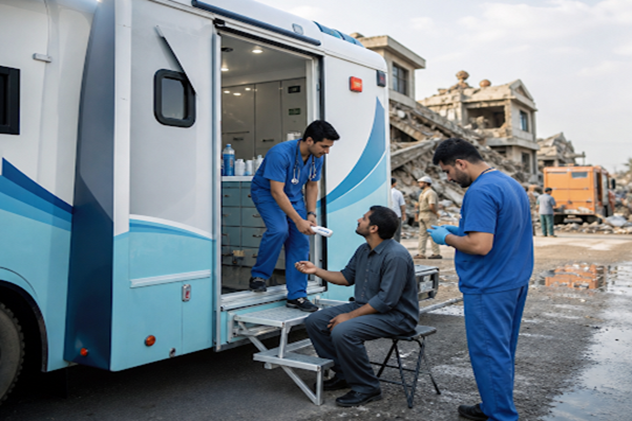
Mobile medical vehicles serve multiple functions in the weeks and months following serious traffic incidents. While ambulances handle immediate emergency transport, mobile clinics address the longer-term needs that accident victims face during recovery. These units can travel to residential areas, workplaces, or temporary housing facilities where injured individuals may be staying, eliminating transportation barriers that often prevent people from attending follow-up appointments.
Physical therapy assessments, wound care, prescription refills, and mental health consultations all become more accessible when delivered through mobile units. For victims dealing with the complex legal and medical aftermath of truck accidents, the ability to receive care without arranging transportation or taking time away from legal proceedings reduces significant stress. Mobile units also allow healthcare providers to assess home environments and identify safety modifications needed for recovery, something traditional clinic visits cannot accomplish.
The vehicles themselves range from converted vans equipped with basic examination equipment to full-scale medical trailers with diagnostic capabilities. Custom-built units can include examination rooms, waiting areas, medical refrigeration for vaccines and medications, and telemedicine equipment that connects patients with specialists remotely. The design depends entirely on the services an organization needs to deliver and the populations it serves.
Why Vehicle Branding Matters for Healthcare and Emergency Services
A mobile medical unit is only effective if people recognize it, trust it, and know how to access its services. Professional vehicle graphics serve practical communication functions that go beyond marketing. Clear identification helps community members distinguish legitimate healthcare providers from unlicensed operators, particularly important in neighborhoods that have experienced medical fraud or exploitation.
Consistent branding across a fleet also builds familiarity over time. When the same recognizable vehicles appear regularly in a neighborhood, residents begin to associate them with reliable care. This recognition becomes especially valuable during public health emergencies, when mobile testing or vaccination units need to deploy rapidly and gain community cooperation.
The visual design itself communicates professionalism and legitimacy. High-quality graphics with clear contact information, service descriptions, and organizational logos signal that an entity has invested in its public presence and operates with transparency. For accident victims who may already feel vulnerable and uncertain about their options, this visual credibility can determine whether they approach a mobile unit for help or avoid it out of suspicion.
Connecting Mobile Health Services to Traffic Safety Initiatives
Cities with high rates of commercial vehicle traffic benefit from coordinated approaches that link accident prevention, emergency response, and ongoing healthcare access. Mobile medical units can participate in traffic safety campaigns by setting up at community events, offering free health screenings to commercial drivers, and providing education about injury prevention and reporting.
The COVID-19 pandemic demonstrated how rapidly deployable healthcare infrastructure can respond to emerging needs. Mobile testing clinics and purpose-built healthcare facilities allowed cities to expand capacity without constructing permanent buildings, a model that applies equally to serving populations affected by traffic incidents. When accidents create temporary surges in demand for rehabilitation services or mental health support, mobile units provide flexible capacity that traditional facilities cannot match.
Integration with legal and insurance processes also matters. Accident victims often need documented medical evaluations to support injury claims or legal cases. Mobile units that maintain proper medical records and work within established healthcare networks can provide the documentation victims need while also ensuring continuity of care. This coordination reduces the fragmentation that often complicates recovery for people navigating multiple systems simultaneously.
Fleet Graphics for Delivery and Emergency Vehicles
The same principles that make mobile medical units effective apply to other vehicle fleets that interact with the public. Delivery services, food distribution networks, and emergency response teams all benefit from consistent, professional vehicle graphics that build recognition and trust. When companies invest in quality fleet branding, they signal operational maturity and accountability, factors that matter when vehicles spend significant time in residential neighborhoods or near schools and hospitals.
Organizations seeking comprehensive vehicle graphics solutions find that custom fabrication allows them to match specific operational needs rather than adapting to generic templates. Companies that specialize in building mobile medical vehicles, experiential marketing vehicles, and custom trailers also provide food delivery fleet wraps and branding for construction equipment, offering expertise in both structural modification and visual design. This integrated approach ensures that graphics complement vehicle function rather than compromising it, with materials selected for durability under the specific conditions each fleet faces.
For healthcare providers expanding mobile service offerings, working with fabricators experienced in medical vehicle standards ensures compliance with sanitation requirements, accessibility regulations, and equipment installation specifications. The graphics applied to these vehicles must withstand frequent cleaning with medical-grade disinfectants, a consideration that standard vehicle wrap materials may not address. Selecting vendors who understand both the technical and visual requirements prevents costly reinstallation or premature degradation.
Measuring Impact and Planning Deployment
Organizations considering mobile medical units or fleet branding investments should begin with clear definitions of success. For healthcare providers, metrics might include the number of patients served in underserved areas, reduction in missed follow-up appointments, or improved health outcomes for specific populations. For companies using branded delivery or service vehicles, relevant measures include customer recognition rates, complaint reduction, or improved driver behavior when operating clearly identified vehicles.
Deployment strategies depend on local needs and existing infrastructure. Areas with high concentrations of accident-prone intersections or roads with frequent commercial vehicle traffic may benefit from regular mobile clinic schedules that coincide with commuter patterns. Community input helps identify optimal locations and times, ensuring that mobile units appear where people can actually access them rather than where organizations assume they should be.
Partnerships with local safety organizations, legal aid groups, and victim advocacy networks extend the reach of mobile healthcare services. These collaborations help identify individuals who need services but may not seek them independently, whether due to language barriers, immigration concerns, or simple lack of awareness that assistance exists. Branded vehicles become more than transportation—they become recognizable symbols of available support.
Building Long-Term Community Health Infrastructure
The most effective mobile medical programs operate as permanent components of healthcare systems rather than temporary interventions. This requires sustained investment in vehicle maintenance, staff training, community relationship building, and data systems that track patient outcomes across multiple service locations. Vehicles that receive regular mechanical service and graphics maintenance continue to project professionalism and reliability years after initial deployment.
As cities confront ongoing challenges related to traffic safety, healthcare access, and emergency preparedness, mobile units provide proven flexibility that fixed facilities cannot match. Whether serving accident victims during recovery, providing preventive care in underserved neighborhoods, or responding to public health emergencies, well-designed and clearly branded mobile medical vehicles represent practical infrastructure investments that adapt to changing community needs.
The integration of healthcare delivery, vehicle safety awareness, and professional branding creates systems where visibility serves function. When people can easily identify legitimate healthcare providers, trust them based on consistent presence, and access services without transportation barriers, communities become more resilient in the face of both everyday health challenges and crisis situations that follow serious accidents.