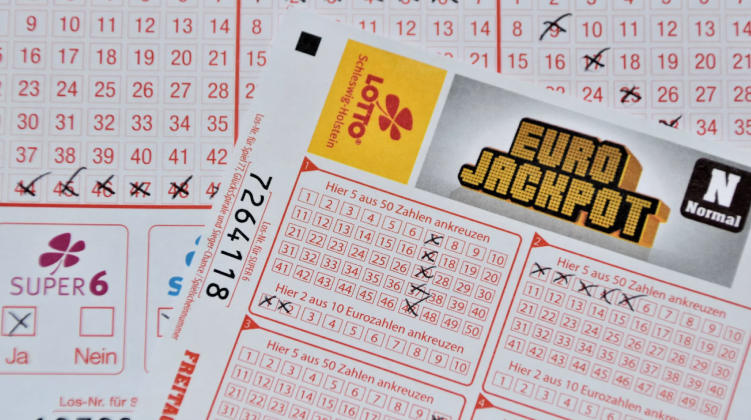
Walk into a Naples tabaccheria on a Tuesday morning and you will hear old men arguing about a dream. The dream is barely the point – the fight is always over which digit it converts to. Someone dreamed of a dead relative speaking – that is 47. A pregnant woman appeared – that is 8. Ten minutes later three of them have pooled coins on a single slip, circled the same four digits in blue ink, and are already planning what to buy with a jackpot that hasn’t happened yet.
Locals call this whole ritual the smorfia – ninety possible digits, each one keyed to a specific image someone might see while asleep, no dream too strange to have an assigned slot. It is not folklore treated as a curiosity here – it is a living habit, printed in cheap paperbacks sold next to lighters and lottery tickets, and the habit has quietly followed players online too. Ask a nineteen-year-old in the same neighborhood and the paperback never even comes up – she opens a quick-draw number app or a site like spinfin on the walk to class, gets her number before the bus arrives, and never touches a coin.
Where the Tradition Began
Trace it back and you land in 1734, the year the Kingdom of Naples launched a state lottery that, within a generation, had dockworkers and dukes alike checking the same weekly draw. Long before that, Sephardic families fleeing Spain after 1492 had settled around the bay and carried Kabbalah-based number symbolism with them, a system Neapolitan dream-readers later borrowed and reshaped. Naples bolted the two systems together and made the result practical: see a snake in your sleep, walk into a tobacco shop by lunchtime with a specific figure to bet on.
A standardized printed edition of the “Smorfia Napoletana” appeared during the 19th century, locking the list at exactly ninety entries – one for every ball that could come out of the draw. It survived unification, two world wars and the arrival of state television, mostly because nothing replaced the need it filled – a way to make an unpredictable draw feel like it was speaking directly to the dreamer.
How the Numbers Get Assigned
Take number 47: it means “the dead who speak,” picked because a Neapolitan grandmother once swore a deceased uncle warned her in a dream, and the story stuck hard enough to outlive her. Multiply that kind of one-off origin story by ninety entries and you get the book – part wordplay, part inherited superstition, with family, food, death and money doing most of the heavy lifting.
| Number | Symbol | Common Meaning |
| 1 | Italy | national pride, homeland |
| 8 | The Madonna | pregnancy, protection |
| 17 | Bad luck | disaster, misfortune |
| 47 | The dead who speak | a warning or message |
| 90 | Fear | paralysis, dread |
That table barely scratches a list of 90 entries, and regional editions disagree on a dozen or so meanings, which is exactly why Neapolitans still argue about it in bars instead of just looking it up.
Reading a Dream Into Numbers
Interpreting a dream properly follows a rough sequence that older players insist on, even if younger ones skip half of it.
- Write down the dream immediately, before details blur.
- Isolate the strongest single image, not the whole plot.
- Cross-check that image against two or three smorfia editions, since they vary.
- Combine two symbols into a pair of numbers if the dream had two distinct scenes.
Most people now open an app and get an instant answer, but the older crowd at the tabaccheria still trusts the slower four-step process over a single tap, arguing that a rushed number rarely pays off anyway.
Common Symbols
Certain images dominate the requests players bring to older relatives or forum threads: teeth falling out, water, snakes, weddings, and money changing hands. Each carries at least two possible numbers depending on context – a wedding dreamed by a single person means something different from one dreamed by someone already engaged.
Modern Twists
Newer entries have been added unofficially over the decades – a smartphone dream, a traffic jam, a canceled flight – none of them in the 19th-century original, all of them assigned numbers by informal consensus rather than any authority.
Digital versions now exist as apps and quiz-style sites, some pairing the dream lookup directly with a numbers-game interface so a user can move from “what did I dream” to “what do I bet” in under a minute. That shift mirrors a broader move in number-based entertainment generally, where instant digital formats replace the paper slip without changing the underlying appeal of picking meaningful numbers.
From Street Corners to Screens
A grandmother who once had to flip through a dog-eared paperback and phone a cousin for a second opinion can now settle the same question in the time it takes her espresso to cool.
Naples still treats the smorfia as more custom than superstition, the kind of thing you inherit rather than choose. A paper slip at the tabacchi and a tap on a glowing screen look nothing alike, yet both chase the exact same payoff: turning an unexplainable dream into a number worth bragging about later, win or lose.